
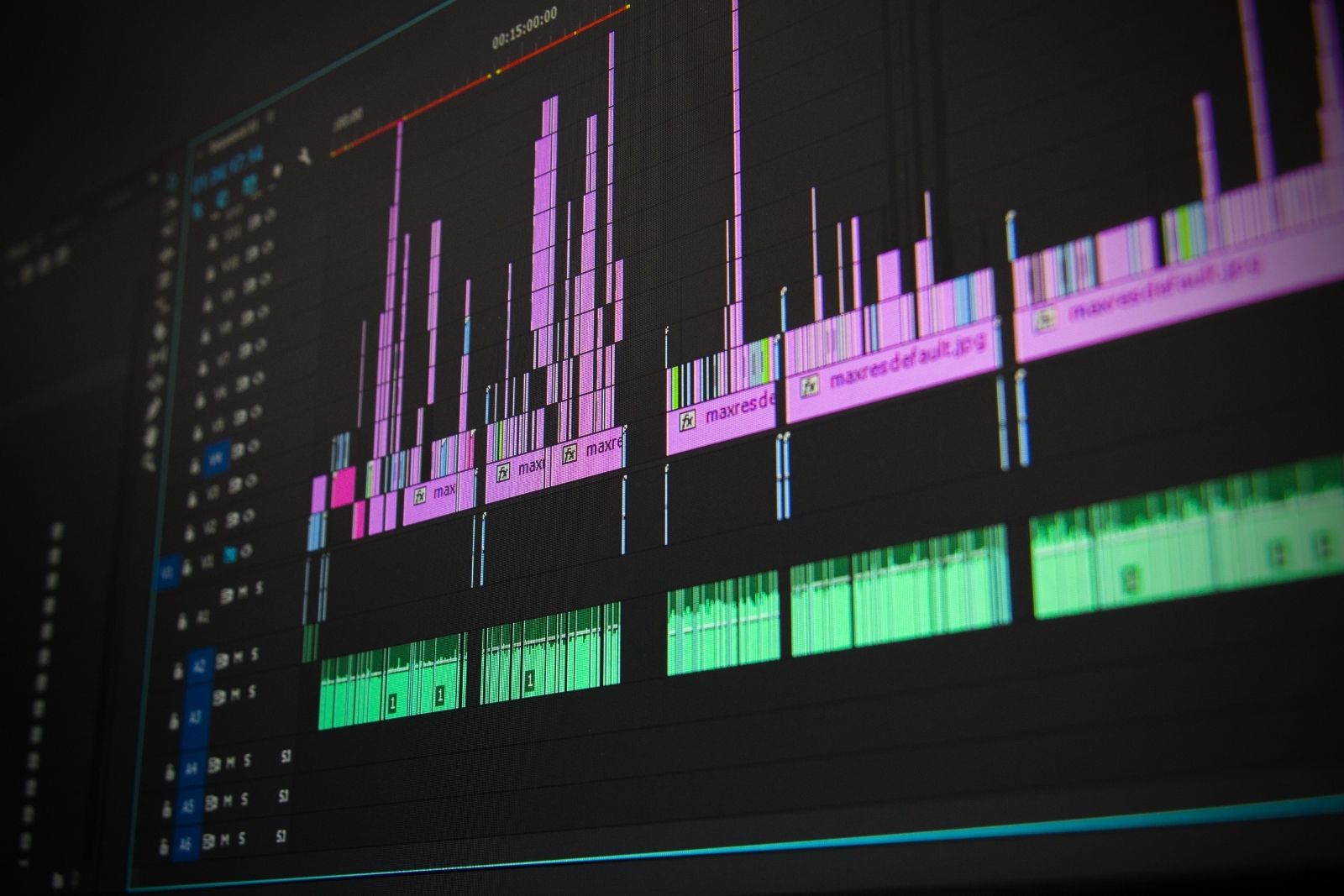
It is a common misconception that video editing is simple work—just simple cutting of videos, putting them together, and adding transitions—to do. On the other, this is not really the case because video editing can be a challenge depending on the length of the videos to be edited. Believe it or not, a simple 10-minute video could take around 1 to 1.5 hours of editing for a professional video editor.
The thing is there are instances where one-go of video editing doesn’t really guarantee that there won’t be additional edits needed unless it is approved by someone—the decision-maker like a client. With that being said, when it comes to editing a video, what matters is quality over quantity. This is why many video editors usually accept one project at a time to ensure a good final product.
In this blog, we will share with you some tips on how to edit a video the smart way.
Always Make A Backup
It is given that one video file, depending on the length, has a large file size which could consume a part of your drive’s memory. On the other hand, it should not be a reason for someone not to keep a backup when editing a video.
It is really important for any type of electronic file to be edited to have a backup file to avoid any inconvenience in case of unforeseen circumstances. For example, it can be so frustrating when while waiting for a video file to finish, it suddenly crashes, making it unusable. But if you have a backup file, at least you have something, saved even just a part and not everything that you’ve worked on.
Copyright Is The Key
For a video editor, every work he’s done is a masterpiece—more than the payment—because of the time, effort, and energy invested to make the final product. And there’s nothing more frustrating and devastating when someone uses or duplicates the video you edited without proper credits or recognition. This is why it is important that on every video created there’d be a watermark and encoding the proper details on the video file itself..
Putting a watermark doesn’t just necessarily mean branding the video that you edited, but ensuring that when, for example, it is uploaded online, the video hosting platform would not take it down for copyright issues. Nowadays, these platforms including social media are becoming more strict when it comes to copyright protection.
Edit For A Story
Video editing is also another form of storytelling. For example, think of a good movie, more than the script, dialogues, and emotions that the actors portray, the video editing is one of the reasons why this particular movie was imprinted in your memory. This is why when video editing, it is important to focus and invest your attention to details to ensure that the content could bring out what it wants to tell because you’re able to edit the video accordingly.
Pay Attention To Proper Lighting
When editing a video, it is more than just cutting scenes and patching one scene from another. As a video editor, you have creative control over the process to ensure the quality of the video. Make sure to correct the lighting and colors of each frame or clip to match it and make the transition consistent. For example, one scene from the video could be shot using two angles of cameras, and when placed side-by-side there’s a chance that it doesn’t match with one another, what you can do like the video editor is to correct the lighting and color to match two angles and not create confusion when watched.
Balance The Audio And Background Music
What makes a fantastic video is the story, but sometimes regardless of how beautiful the story the video it tells when the audio and music used don’t match well are off. What you need is to ensure that the audio and music used would blend well—not too loud, skimpy, or something that creates noises.
The Bottom Line
There’s no denying that video editing can be quite a challenging task at first. However, with the proper focus, attitude, and mindset to follow the tips mentioned above, you’ll find your grounding in no time. Thus, you’ll also get a satisfying result if you put a ‘quality over quantity’ attitude when video editing.
It is given that when video editing, this task has a timeframe and deadline that must be met. However, you should not pressure yourself to edit a video fast. Otherwise, rushed projects are oftentimes rejected because there can be a lot of important processes skipped over. Remember that there’s no shortcut to success—and the same principle applies when video editing.